Apple // Technology & Security Analysis
iPhone 18 Pro: What We Know About Its Release, Security & Privacy
As the anticipated September launch of the iPhone 18 Pro approaches, speculation is running high. We cut through the noise to separate confirmed facts from rumors, analyzing the potential technological leaps and what they mean for your privacy and security.
1. Introduction
Editorial Note
This article separates information officially confirmed by Apple from industry reports, rumors, and analysis. Unconfirmed claims are clearly labeled and may change before Apple's official announcement.
Every year, Apple's iPhone announcement dominates technology news. But as we approach the expected launch of the iPhone 18 Pro in September 2026, the conversation is shifting. It's no longer just about titanium finishes or slightly larger screens. The real questions revolve around on-device AI, processor architecture, and the ever-evolving landscape of digital privacy.
In this analysis, we step away from the daily churn of leaks. Instead, we ask: What do we actually know about the iPhone 18 Pro, and what is still speculation? Most importantly, how will these reported changes affect the security and privacy of the average user?
2. Quick Facts
Before diving into the technical analysis, here is a breakdown of the current information landscape:
| Information | Current Status |
|---|---|
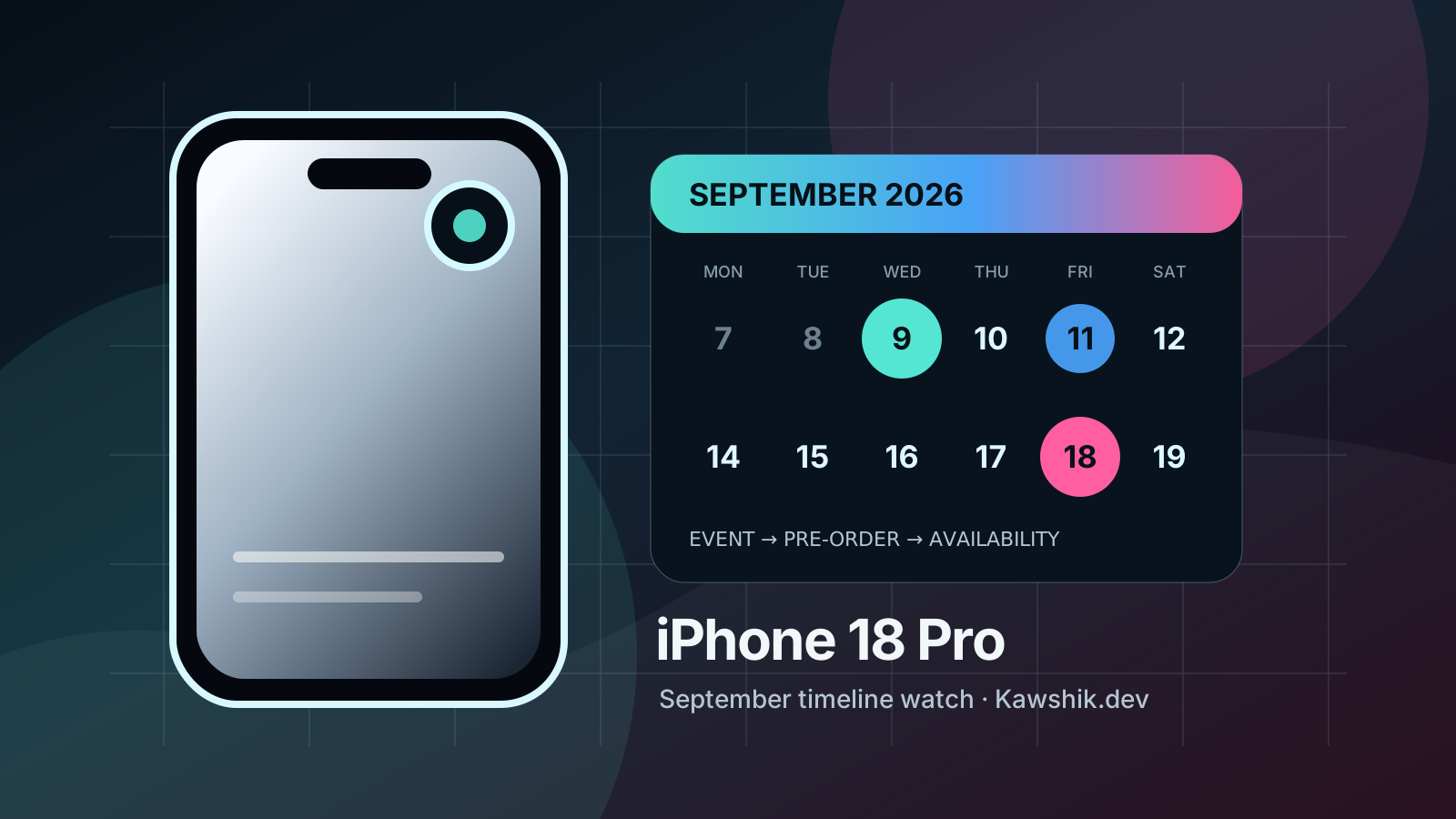
| Expected announcement | Reported / Rumored (Likely Sept. 9, 2026) |
| Expected release | Reported / Rumored (Likely Sept. 18, 2026) |
| Pre-order timing | Speculative (Likely Sept. 11, 2026) |
| Models | Rumored (iPhone 18 Pro, iPhone 18 Pro Max) |
| Price | Speculative (Potential $200 increase) |
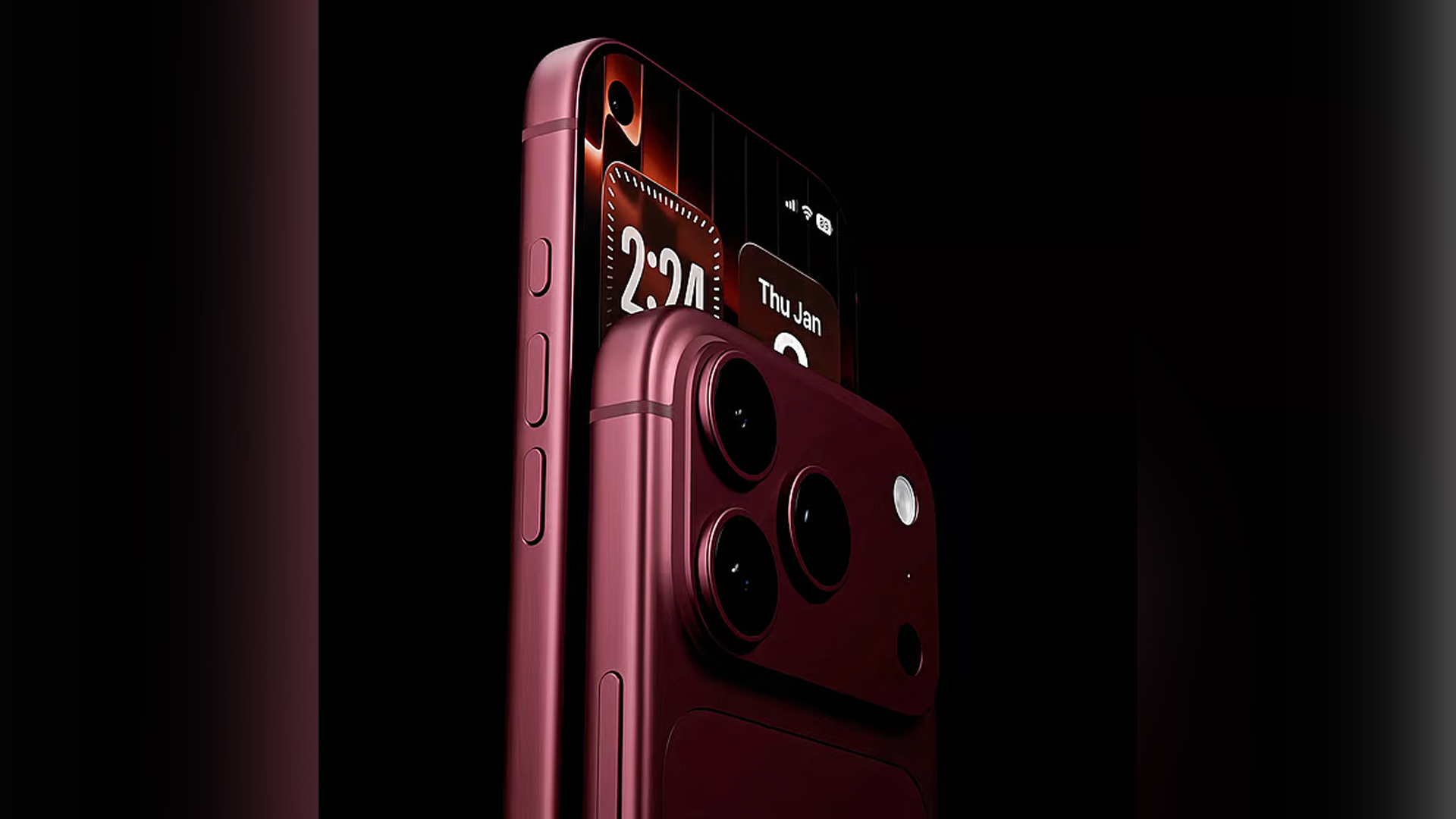
| Major hardware changes | Rumored (A20 Pro chip, Variable aperture, smaller Dynamic Island) |
| Security/privacy changes | Speculative (Enhancements tied to iOS 27 and A20 Pro) |
Note: As of August 2026, Apple has not confirmed any dates or specifications.
3. What Apple Has Officially Confirmed So Far
Official Status
Apple has not officially announced the iPhone 18 Pro, its final specifications, or its release date.
Confirmed Apple Technologies
Information supported by Apple's official documentation focuses on the ongoing development of iOS 27, which is currently in public beta. Apple's continued commitment to Private Cloud Compute and on-device processing for Apple Intelligence is well documented, establishing the security baseline for future devices.
Unconfirmed iPhone 18 Pro Information
Any specific hardware features, release dates, or prices for the iPhone 18 Pro discussed below are based on rumors, reports, analyst predictions, and leaks. They should not be treated as final.
4. What Is Currently Rumored
While official details are unavailable, supply chain reporting points toward several possible hardware changes.
The A20 Pro Chip
- What is claimed: Current reports suggest the iPhone 18 Pro could introduce Apple's next-generation A20 Pro chip, potentially built on a new 2-nanometer (2nm) manufacturing process.
- Who reported it: Prominent supply chain analysts and publications like Reuters.
- Credibility: High. Apple consistently upgrades its Pro silicon.
- Uncertainty: Apple has not officially confirmed the chip or its specifications. Actual performance gains remain speculative.
Variable Aperture Camera
- What is claimed: The main 48MP camera might feature a variable aperture.
- Who reported it: Various tech industry insiders.
- Credibility: Medium.
- Uncertainty: How iOS would handle automated aperture switching is unknown.
Smaller Dynamic Island
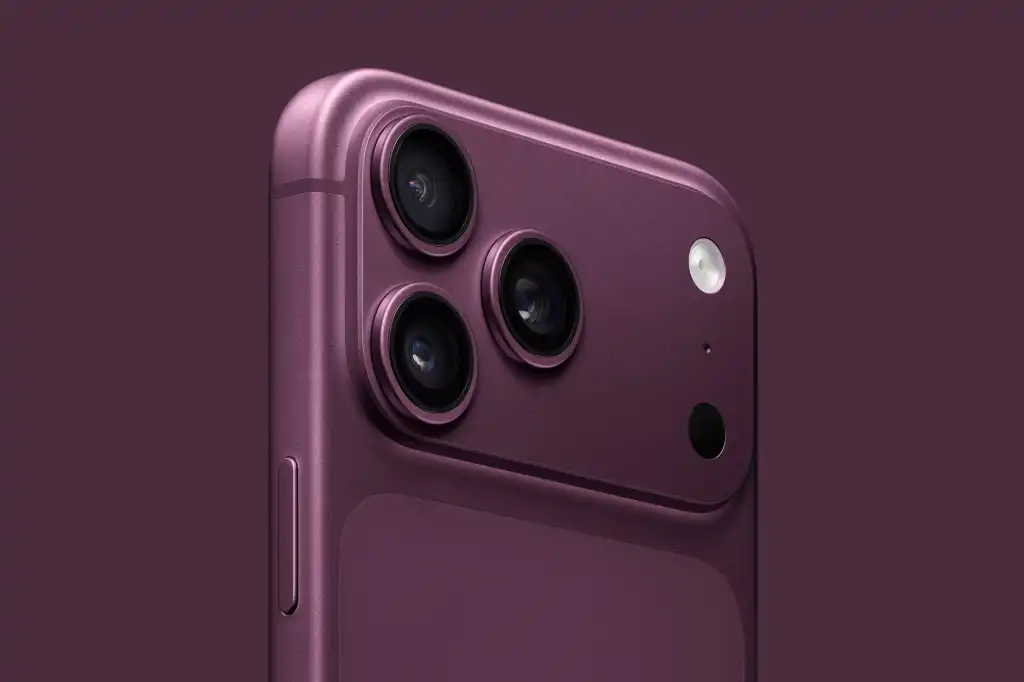
- What is claimed: A reduction in the Dynamic Island's size, reportedly achieved by moving Face ID components under the display.
- Who reported it: Display supply chain consultants.
- Credibility: Low-Medium. Apple's biometric security standards are strict; if under-display tech doesn't meet them, it may be delayed.
5. Source Verification
| Claim | Evidence | Status |
|---|---|---|
| September 2026 launch | Multiple reports | Reported |
| September 9 event | Reporting/prediction | Prediction |
| A20 Pro (2nm) | Reuters / Industry reports | Rumored |
| Variable aperture | Industry reports | Rumored |
| Smaller Dynamic Island | MacRumors / Display leaks | Rumored |
| Under-display Face ID | Leak/analyst reports | Speculative |
| Higher starting price | Analyst estimates | Speculative |
6. Release Date Analysis
Current reporting points toward an early September 2026 launch window, but Apple has not officially confirmed the date. The most frequently cited prediction is Wednesday, September 9.
This prediction relies on the 2026 U.S. calendar. With Labor Day on Monday, September 7, a Wednesday event is viewed as the most logical choice to allow media travel while maintaining a Friday pre-order schedule.
However, an expected event date is not a confirmed date. The technical and security implications discussed below remain relevant regardless of the exact launch day.
7. iPhone 18 Pro vs. iPhone 17 Pro
Based on current reports and established iPhone 17 Pro specifications, here is a theoretical comparison:
| Feature | iPhone 17 Pro (Confirmed) | iPhone 18 Pro (Unconfirmed) |
|---|---|---|
| Chip | A19 Pro (3nm) | A20 Pro (2nm) (Expected) |
| Display | 6.3-inch OLED | 6.3-inch LTPO+ (Rumored) |
| Main Camera | 48MP Fixed Aperture | 48MP Variable Aperture (Rumored) |
| Connectivity | Qualcomm Modem | Apple C2 Modem (Reported) |
| Security Base | Secure Enclave, Face ID | Secure Enclave (Expected) |
| Software | iOS 19 | iOS 27 (Expected) |
Reminder: The iPhone 18 Pro column consists entirely of unverified rumors and expectations.
8. Security and Privacy Architecture
While hardware specifications generate headlines, Apple's foundational security architecture is the device's most critical feature. The iPhone 18 Pro is expected to build upon this robust ecosystem.
The Secure Enclave
The bedrock of iPhone security is the Secure Enclave. This dedicated hardware subsystem handles cryptographic operations, Face ID data, and device encryption keys. If Apple introduces a new-generation Secure Enclave with the next-generation chip, it could potentially improve hardware-level protections against side-channel attacks. However, Apple has not announced such a change.
Lockdown Mode
Introduced as an extreme protection measure, Lockdown Mode severely restricts device functionality to shrink the attack surface against mercenary spyware. We expect Lockdown Mode to continue evolving in iOS 27, adapting to newly discovered exploit chains based on Apple's platform strategy.
Private Cloud Compute and Apple Intelligence
Apple's approach to AI leverages on-device processing where possible. When complex requests require cloud infrastructure, Apple uses Private Cloud Compute. Current reports suggest the iPhone 18 Pro could feature an enhanced Neural Engine, which might allow a higher percentage of tasks to remain entirely on-device, potentially reducing reliance on the cloud and enhancing user privacy.
9. My Security Analysis
Analyzing the reported hardware possibilities through a cybersecurity lens reveals several interesting technical implications.
If rumors of under-display Face ID components are true, Apple would need to prove that shooting an infrared grid through an OLED matrix does not degrade biometric matching accuracy. Apple's strict security tolerances (a 1 in 1,000,000 false match probability) suggest they would only implement this if it matches current standards. This claim currently remains highly speculative.
Furthermore, there is a reported possibility that Apple may transition to an in-house Apple C2 Modem. An in-house modem could give Apple greater control over firmware and platform integration. However, an Apple-designed modem does not automatically mean better security. Actual security improvements would depend heavily on firmware isolation, update mechanisms, vulnerability handling, and privilege boundaries. Closing long-standing vulnerabilities associated with third-party silicon is a potential benefit, but implementation quality is what security professionals will be watching closely.
10. What Users Should Actually Care About
Instead of focusing purely on hardware rumors, users should consider which potential changes would actually impact their daily experience:
- Security Updates & Privacy Controls: The continued evolution of iOS 27 and Private Cloud Compute will dictate how your data is handled far more than any minor hardware tweak.
- On-Device AI Processing: If the reported A20 Pro chip allows more AI tasks to run locally without internet access, this is a massive win for both performance and privacy.
- Battery Life: A potential shift to a 2nm manufacturing process typically yields power efficiency gains, which could mean longer battery life for everyday tasks.
- Software Support: Newer silicon guarantees a longer runway for future iOS updates and security patches.
11. Final Analysis
As we evaluate the landscape surrounding the iPhone 18 Pro, it is clear that while the design may remain familiar, the potential internal architecture represents a significant step forward.
Which rumors appear most credible? The introduction of an A20 Pro chip on a 2nm node is highly probable given the semiconductor industry's trajectory. Enhanced on-device AI capabilities tied to iOS 27 are also a likely direction based on Apple's platform strategy.
Which claims are weakly supported? The under-display Face ID components. Apple's stringent biometric security standards will dictate this timeline, not aesthetics. Additionally, rumors of a $200 price hike should be viewed cautiously as analyst speculation.
Should iPhone 17 Pro owners care? If the rumors hold true, year-over-year gains in standard smartphone tasks may be minor. However, for security professionals and those relying heavily on local AI processing, the architectural changes could warrant closer attention.
12. Final Verdict
Current reports suggest the iPhone 18 Pro could push the boundaries of mobile silicon with the A20 Pro, focusing heavily on power efficiency and localized AI processing. However, we do not know the exact release date, the final price, or if ambitious hardware changes like under-display biometrics will pass Apple's security validation this year. Moving forward, readers should watch for concrete developments in iOS 27's security architecture, as that will provide the strongest clues about the upcoming hardware's capabilities.
13. Sources
Primary Sources
- Apple Platform Security: Secure Enclave
- Apple Support: About Lockdown Mode
- Apple Security Research: Private Cloud Compute
Secondary Sources
- Reuters Technology (Supply chain reporting)
- MacRumors (Aggregated rumor tracking)